Source Metal Bonded Diamond Grinding Wheel for Granite, Concrete, Carbide
Compare 30 metal bonded diamond grinding wheel options from verified Chinese manufacturers. Buyers can evaluate grit sizes, bond types, and customization support for applications including granite polishing, concrete deburring, and carbide grinding; compare the available evidence and request quotations based on your requirements.
Key considerations
Products List
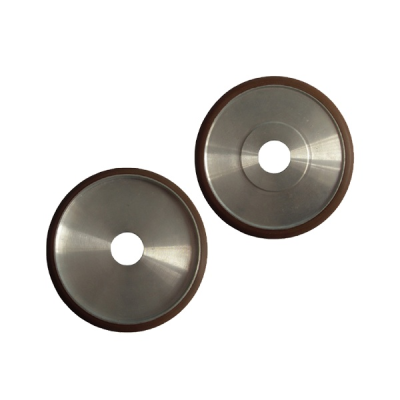


Comprehensive Sourcing Guide
Metal Bonded Diamond Grinding Wheel Sourcing Guide
Buyers must first distinguish between resin and metal bond variants, as the supplied data reveals a mix of both despite the core keyword focus. While some listings explicitly state a resin bond with brazing processes, others confirm metal bonding agents and sintered manufacturing techniques. This distinction is critical because metal bonds typically offer higher durability for aggressive stock removal on hard materials like carbide, whereas resin bonds often provide better surface finishes for polishing applications.
Procurement teams should verify the specific bond type against the intended application before finalizing orders. The observed product range includes wheels designed for grinding carbide, polishing granite and marble, and working on concrete floors. Selecting the wrong bond chemistry can lead to premature wheel wear or poor surface quality, so buyers must cross-reference the listed bonding agent with the material hardness and the required removal rate for their specific production line.
Product Scope and Observed Listing Signals
The market listing signals indicate a wide variance in product dimensions and grit sizes, ranging from standard 115mm to 180mm diameters and custom requests. Some entries specify fixed sizes like 150x6.0x22mm, while others list dimensions as "as requested" or "as required." This flexibility suggests that suppliers are prepared to handle bespoke orders, but buyers must clearly define their dimensional requirements to avoid receiving non-standard parts that may not fit existing machinery.
Grit specifications also vary significantly, with observed data showing ranges from 24# to 180# and options for custom grits. The color palette for these wheels spans grey, brown, black, and blue, which often correlates with the specific abrasive grain or bond composition. Buyers should treat these color and size variations as observational data points rather than universal standards, ensuring that the specific grit and size selected match the precision and finish requirements of the target workpiece.
Technical Specifications to Verify
Verification of the manufacturing process is essential, as the data highlights both brazing and sintered techniques for diamond grinding wheels. Sintered wheels generally offer superior thermal stability and bond strength for high-speed operations, while brazed wheels may be preferred for specific edge geometries. Buyers must confirm which process was used for their specific order, as this directly influences the wheel's ability to withstand heat and maintain its shape during heavy-duty grinding tasks.
Cylindricity and circular degree are critical geometric tolerances that affect the quality of the ground surface. The provided facts mention specific circular degree limits relative to material and grain size, such as <Cylindricity for diamond grains. Procurement teams should request detailed geometric inspection reports to ensure the wheels meet the required roundness standards, as deviations can cause vibration, uneven wear, and inconsistent surface finishes on the final product.
Compliance and Safety Documentation
Safety compliance is paramount when sourcing abrasive tools, and the observed listings include ISO9001:2015 certification as a key quality indicator. While this certification confirms a robust management system, it does not automatically guarantee that every specific wheel batch meets local safety standards for maximum operating speeds or impact resistance. Buyers must explicitly request test reports and safety data sheets that verify the wheel's burst strength and operating limits for their specific machine setup.
Documentation regarding the abrasive material composition is also necessary to ensure regulatory compliance in the destination market. The data lists materials such as diamond and alumina, which are standard, but buyers should verify that the specific bond and grain sources comply with environmental and safety regulations. Ensuring that the supplier provides clear documentation on the chemical composition and potential dust hazards is a vital step in protecting both the workforce and the facility from liability.
Cost Drivers and Commercial Terms
Pricing in this category is highly variable, with observed ranges spanning from $0.25 to $320 per unit, driven largely by material costs and customization levels. The high-end prices likely reflect custom dimensions, specialized grits, or complex bonding processes, while lower prices may correspond to standard off-the-shelf items. Buyers should analyze the cost structure to understand if the price includes the cost of the diamond content, which is a significant driver in metal-bonded wheel pricing.
Minimum Order Quantities (MOQ) present another commercial variable, with observed ranges from 1 to 5000 units and specific listings citing 10,000 pieces. High MOQs can significantly impact cash flow and inventory holding costs, so buyers must negotiate terms that align with their production volume. Understanding the supplier's flexibility on MOQ and their willingness to support OEM or ODM requests is crucial for establishing a sustainable and cost-effective supply chain relationship.
Supplier Qualification and Quality Control
Supplier qualification should extend beyond basic certifications to include a review of their manufacturing capabilities and quality control protocols. The data indicates origins in Fujian and Jiangxi, China, regions known for abrasive manufacturing, but buyers must verify the specific factory's capacity to maintain consistent bond strength and grit distribution. Requesting a facility audit or a detailed quality manual can help ensure that the supplier has the necessary infrastructure to produce wheels that meet strict performance criteria.
Quality control checks must be rigorous, focusing on the consistency of the bond and the uniformity of the abrasive distribution. Since the data mentions various shapes like cup-shaped and surface grinding wheels, buyers should ensure that the supplier has specific QC procedures for each shape to prevent defects. Implementing a pre-shipment inspection protocol that verifies dimensions, hardness, and visual defects is essential to mitigate the risk of receiving substandard products that could damage expensive machinery.
Long-Term Procurement Checks
Establishing a long-term partnership requires regular performance reviews of the grinding wheels' service life and consistency. Buyers should track metrics such as wheel wear rate, surface finish quality, and the frequency of wheel changes to determine if the current supplier is delivering value. Consistent performance over time is a strong indicator of a reliable supplier, whereas fluctuating quality suggests potential issues in the manufacturing process or raw material sourcing.
Continuous communication regarding product updates and technological advancements is also vital for maintaining a competitive edge. As the industry evolves, suppliers may introduce new bond formulations or grit technologies that offer better efficiency. Buyers should maintain an open dialogue with their suppliers to stay informed about these innovations and ensure that their procurement strategy remains aligned with the latest industry standards and best practices.
FAQs
What materials are used for metal bonded diamond grinding wheels?
Metal bonded diamond grinding wheels typically utilize diamond abrasives combined with a metal bonding agent. Some variants may also incorporate alumina or normal abrasive materials depending on the specific application requirements. The bond ensures the abrasive grains remain secure during high-intensity grinding operations, providing durability and consistent performance across various industrial tasks.
Can these grinding wheels be customized for specific applications?
Yes, customization is available for OEM, ODM, and OBM requirements. Buyers can request specific sizes, grits, and shapes to match their operational needs. The manufacturing process supports sintering or brazing techniques, allowing for tailored solutions. This flexibility ensures that the grinding wheels meet precise industry standards and handle specialized materials like carbide, granite, or concrete effectively.
What certifications do these grinding wheels typically hold?
These grinding wheels often hold ISO9001:2015 certification, ensuring adherence to international quality management standards. This certification indicates that the manufacturing processes and product quality are consistently monitored and improved. Buyers can rely on this standard for compliance in regulated industries, ensuring that the tools meet rigorous safety and performance criteria for professional industrial use.
What are the common applications for metal bonded diamond grinding wheels?
These wheels are primarily used for grinding carbide, polishing granite and marble, and working on concrete floors. They are also suitable for deburring and surface grinding tasks. The robust metal bond allows them to handle hard materials efficiently, making them ideal for construction, stone processing, and metalworking industries where precision and durability are critical for operational success.
What is the typical MOQ for ordering these grinding wheels?
The minimum order quantity varies, with observed ranges starting from 1 unit up to 5000 units. Specific listings may indicate an MOQ of 10000 pieces for certain bulk orders. Buyers should check individual supplier requirements as quantities depend on the product type, customization level, and packaging preferences. Flexible MOQs allow both small-scale and large-volume procurement needs to be met.
How are these grinding wheels packaged for export?
Packaging options include export cartons, shrink packing combined with cartons, or standard cartons as requested. This ensures safe transit and protection of the grinding wheels during shipping. The packaging is designed to prevent damage and maintain product integrity. Buyers can often specify their preferred packing method to align with their logistics and storage requirements, ensuring efficient handling upon arrival.